

















Llandderfel, near Bala
Palé Hall
A Victorian house in the hills of north Wales, where Queen Victoria herself once stayed.


 Airport transfersFlight tracking, meet & greet, free waiting
 Executive chauffeurYour driver stays with you all day
 Personal chauffeurSame vetted driver, long term
 London to ParisDoor to door, no changes
 Eco chauffeurFully electric, zero emission
 Mercedes E-Class4 seats · 3 bagsfrom £60/hr
 Mercedes S-Class3 seats · 2 bagsfrom £75/hr
 BMW i7 · electric3 seats · 2 bagsfrom £75/hr
 Mercedes V-Class7 seats · 6 bagsfrom £70/hr
 Mercedes Jet Class4 seats · 4 bagsfrom £140/hr
 Luxury Sprinter8 seats · 8 bagsfrom £250/hr
 Royal AscotJune · Berkshire
 Cheltenham FestivalMarch · four days of racing
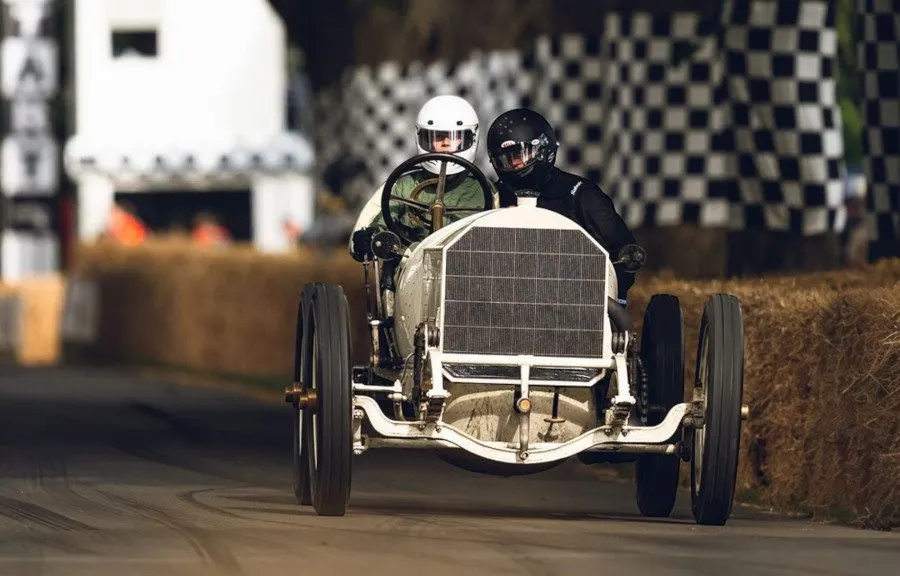 Goodwood Festival of SpeedJuly · West Sussex
 British Grand PrixJuly · beats the Silverstone queues
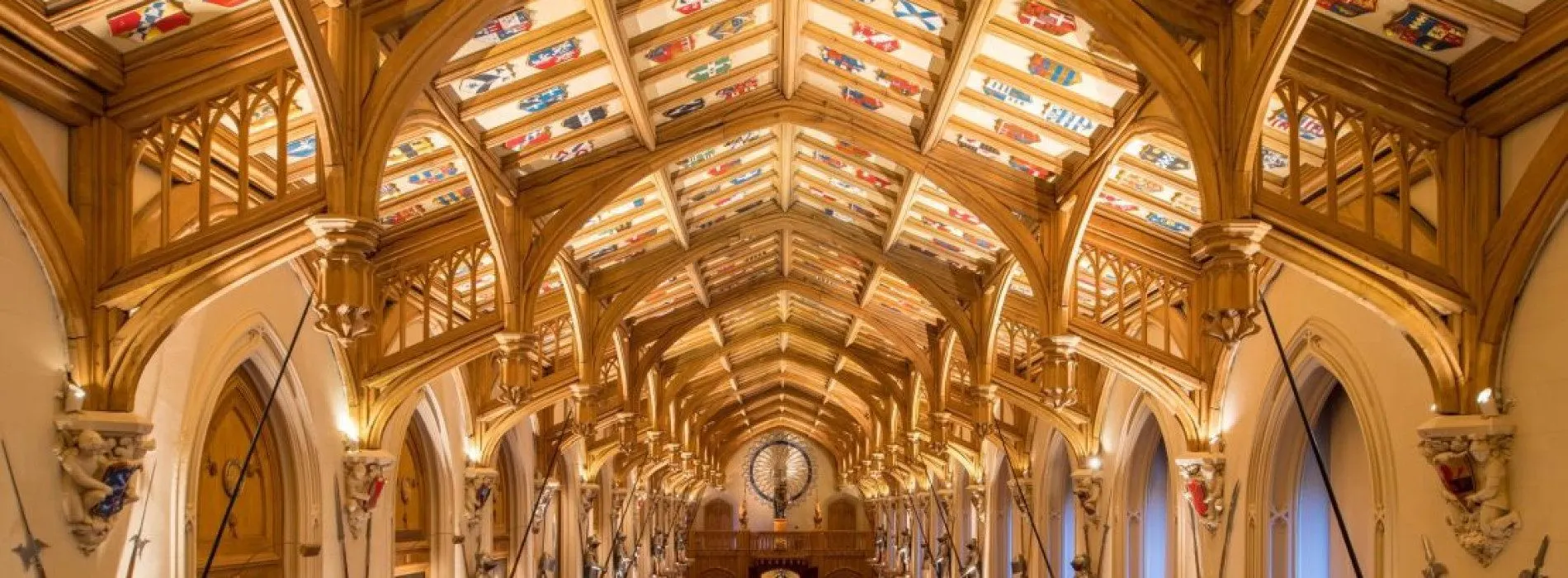 Windsor Castle1 hr · Royal residence
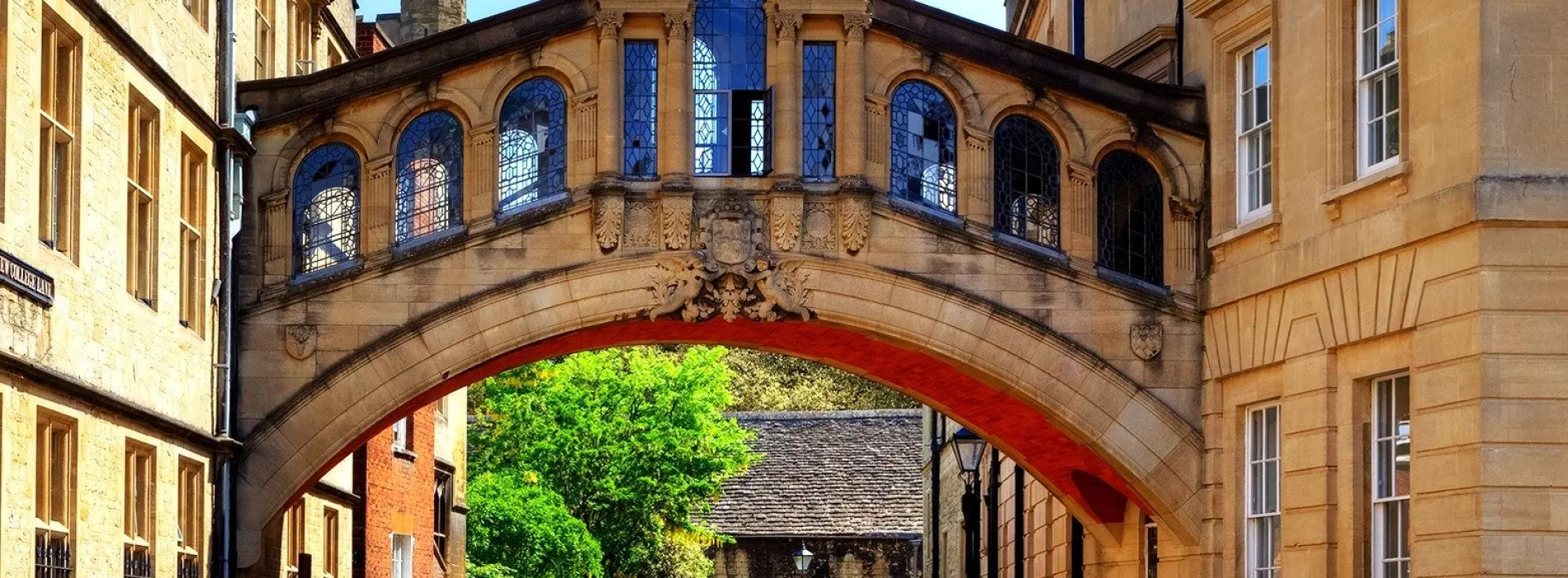 Oxford1.5 hrs · Colleges & Bodleian
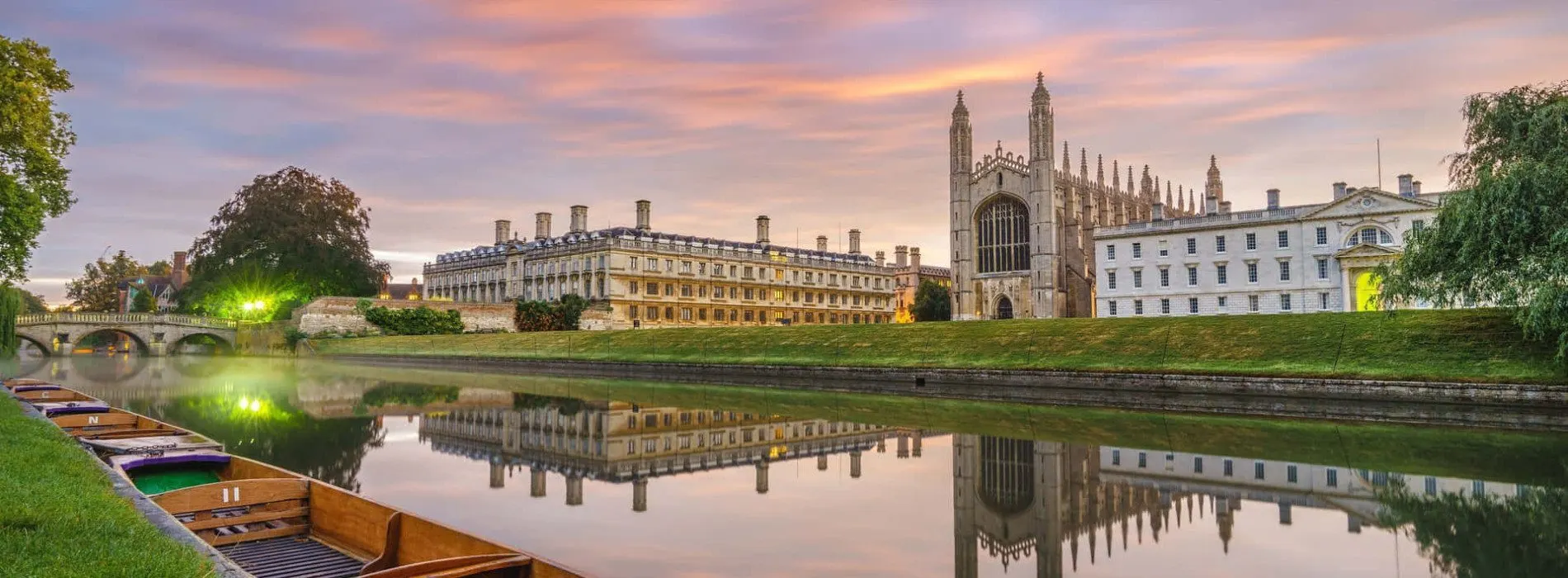 Cambridge1.5 hrs · Punting & colleges
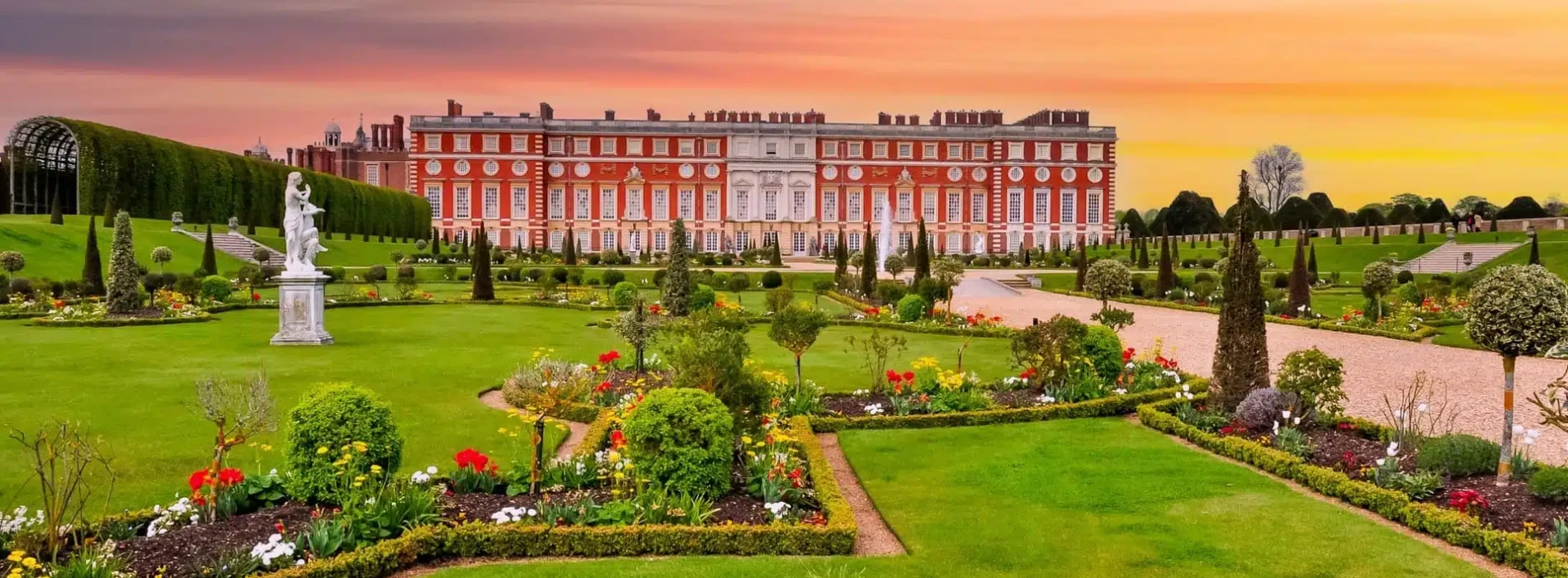 Hampton Court Palace1 hr · Tudor palace
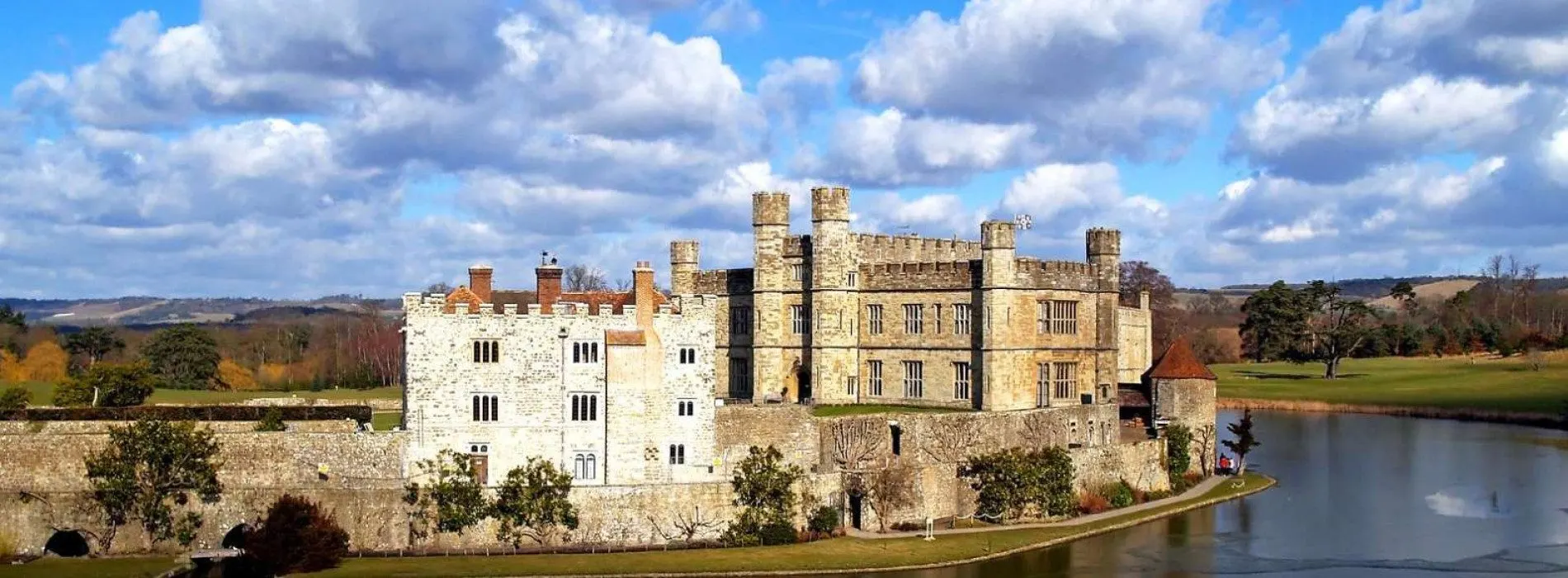 Leeds Castle1.5 hrs · Kent
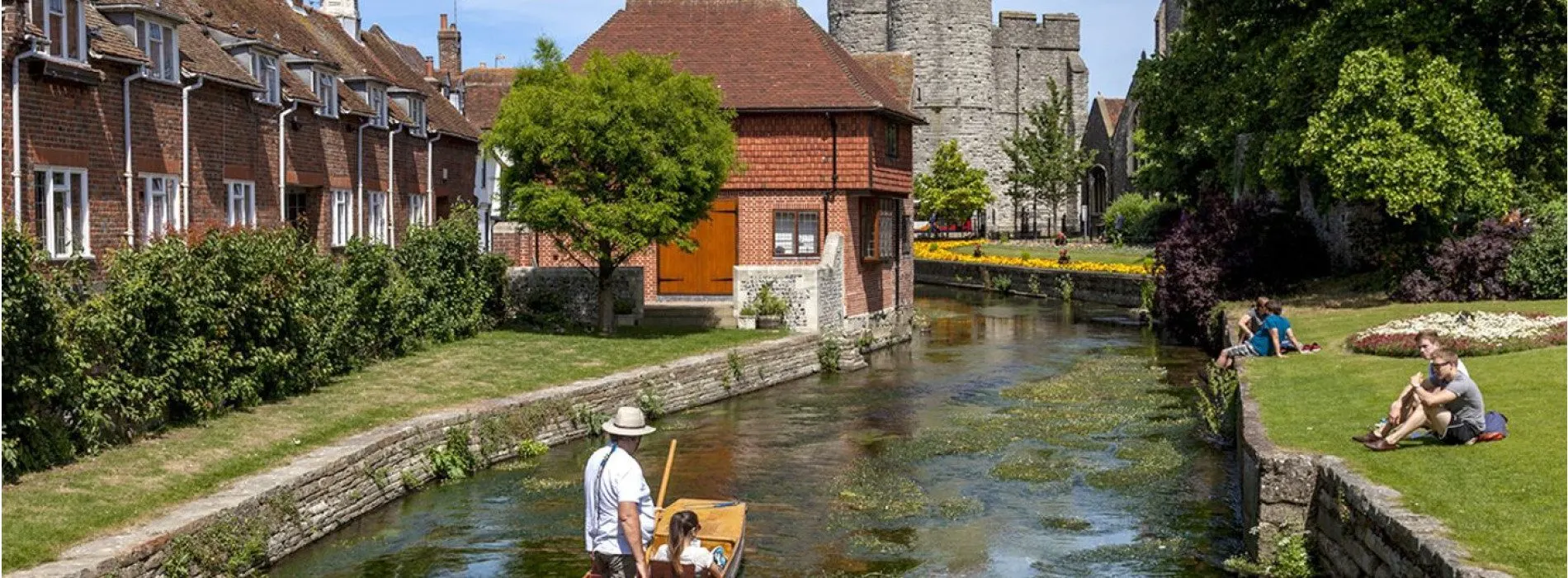 Canterbury1.5 hrs · Cathedral city
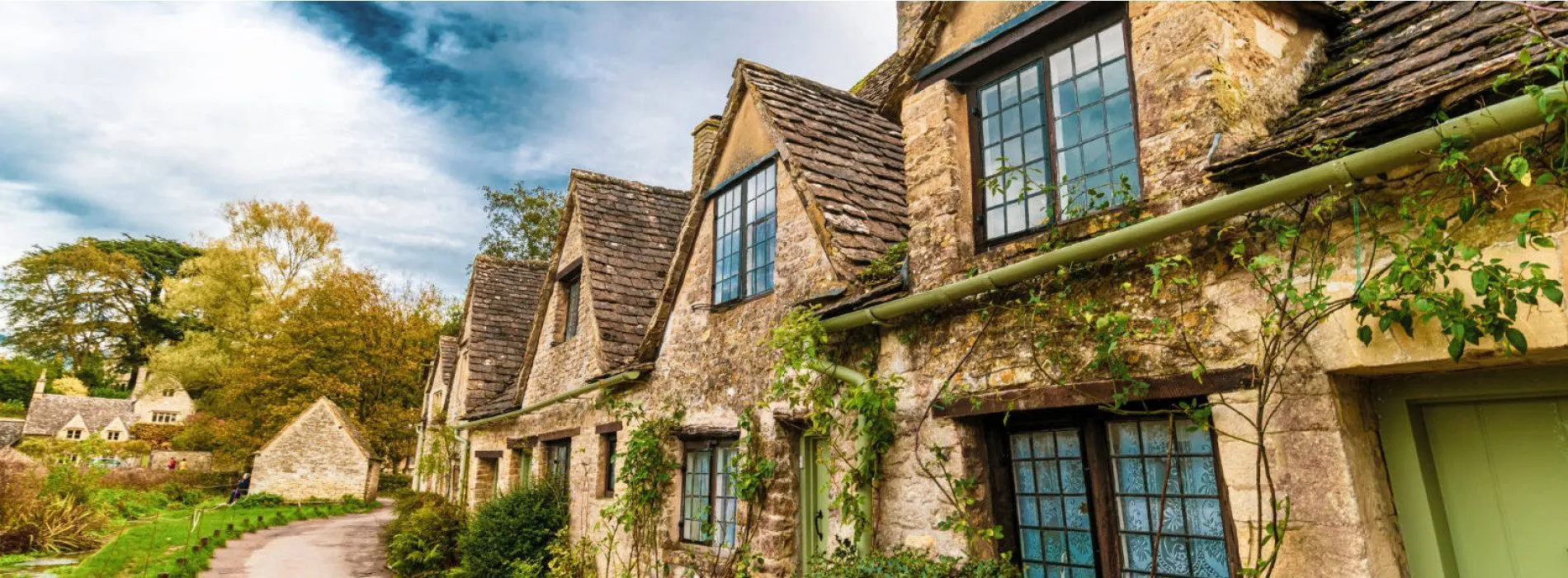 CotswoldsHoney-stone villages
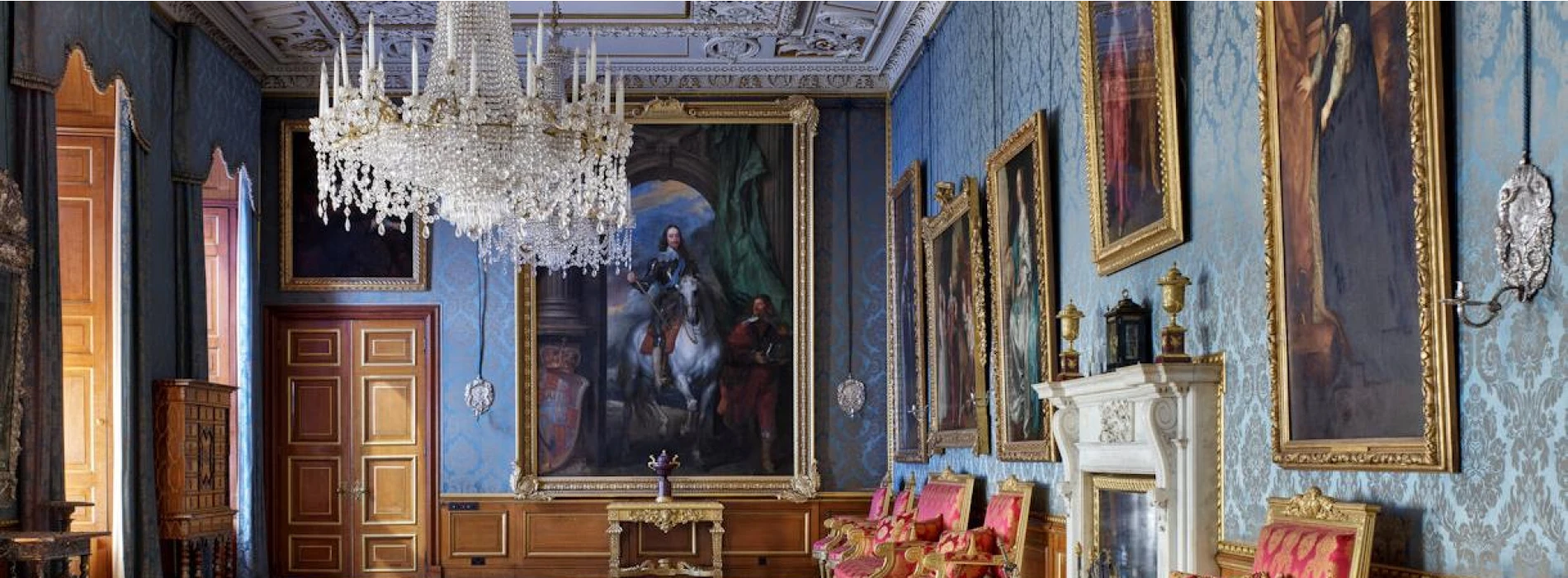 BathRoman baths & Georgian crescents
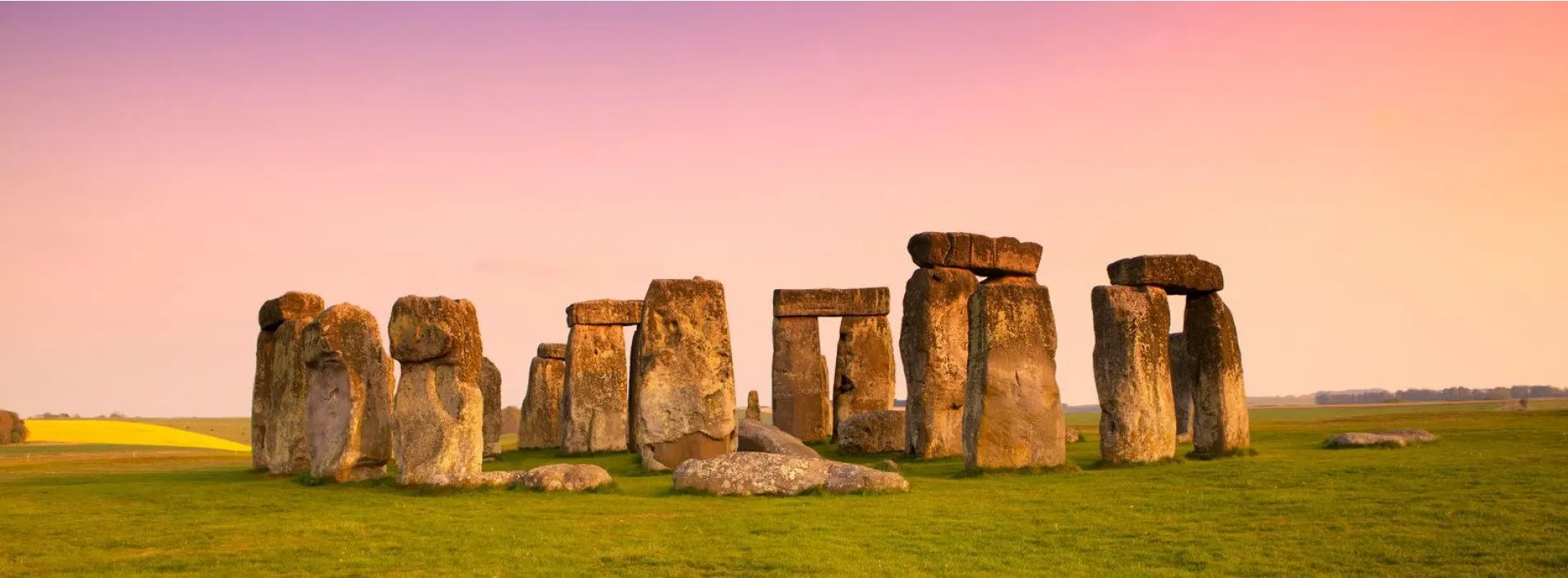 StonehengeOften combined with Bath
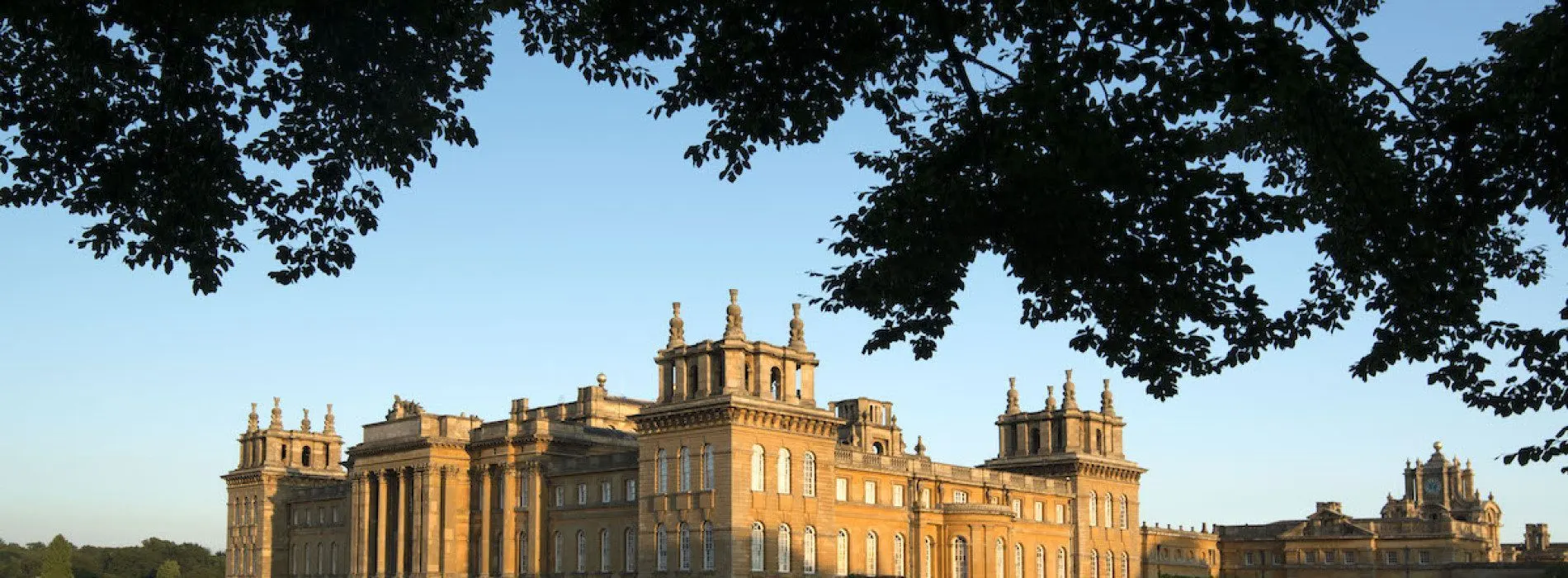 Blenheim PalaceChurchill's birthplace
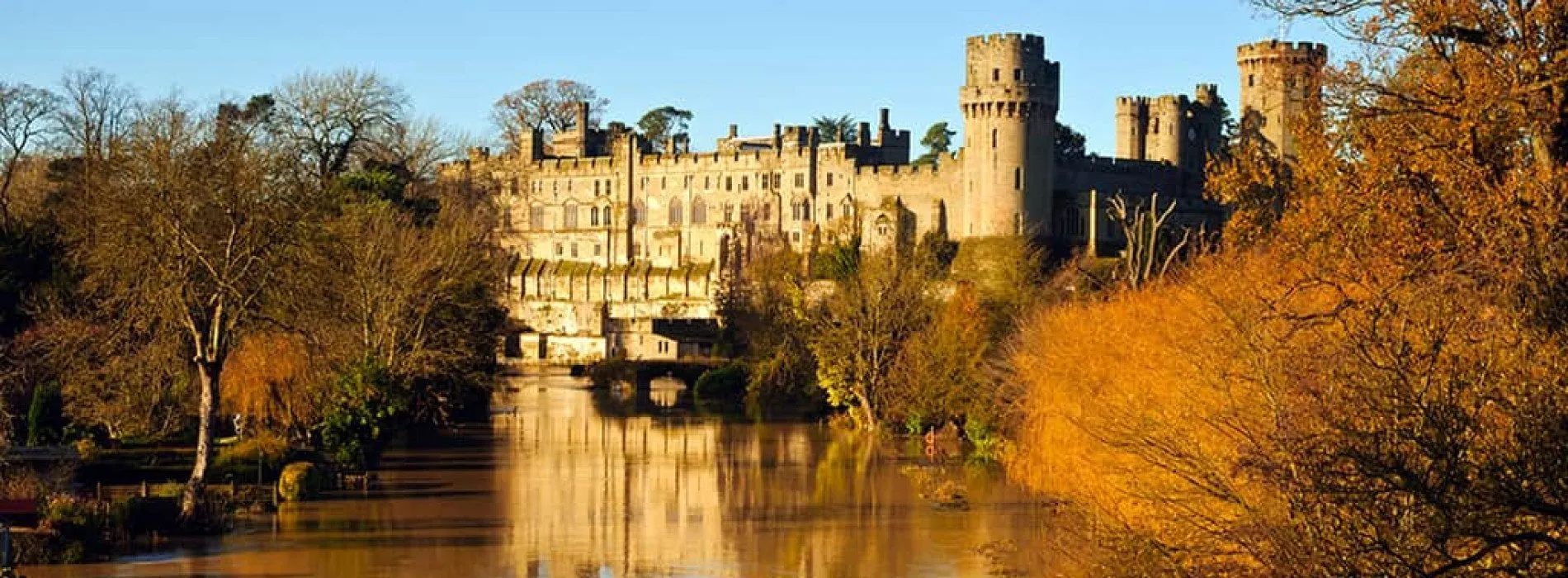 Warwick CastleMedieval fortress
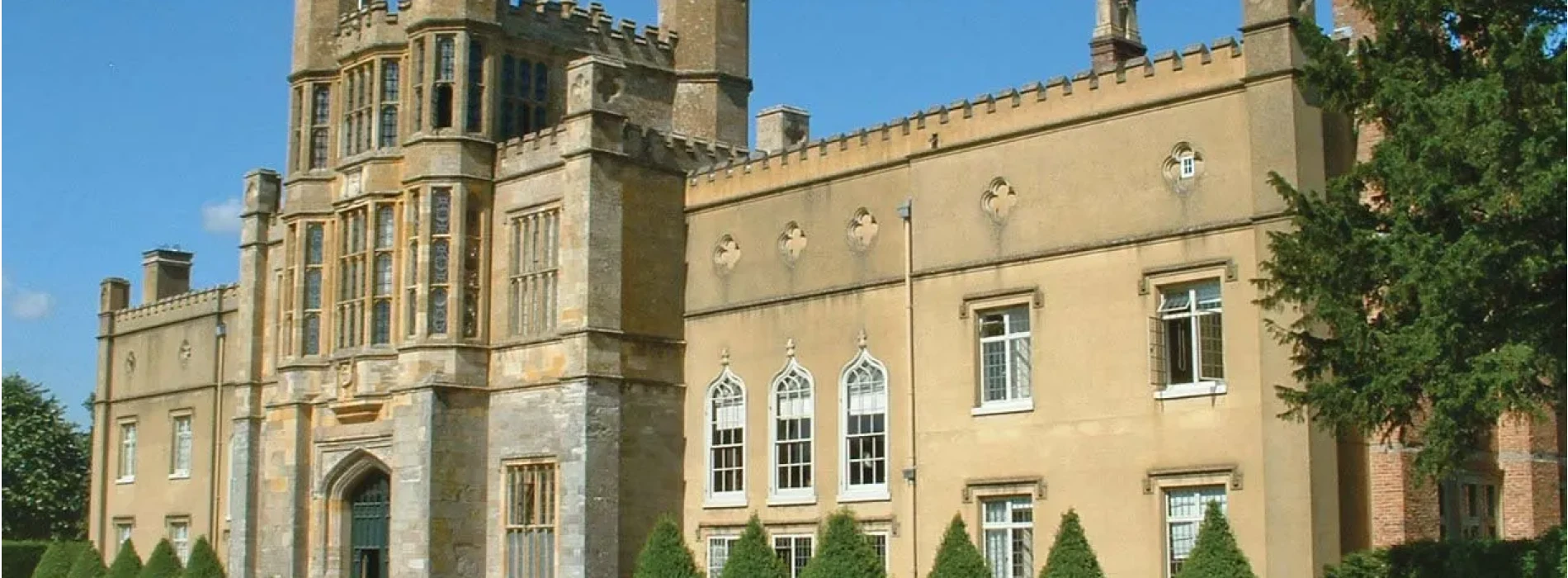 Stratford-upon-AvonShakespeare's town
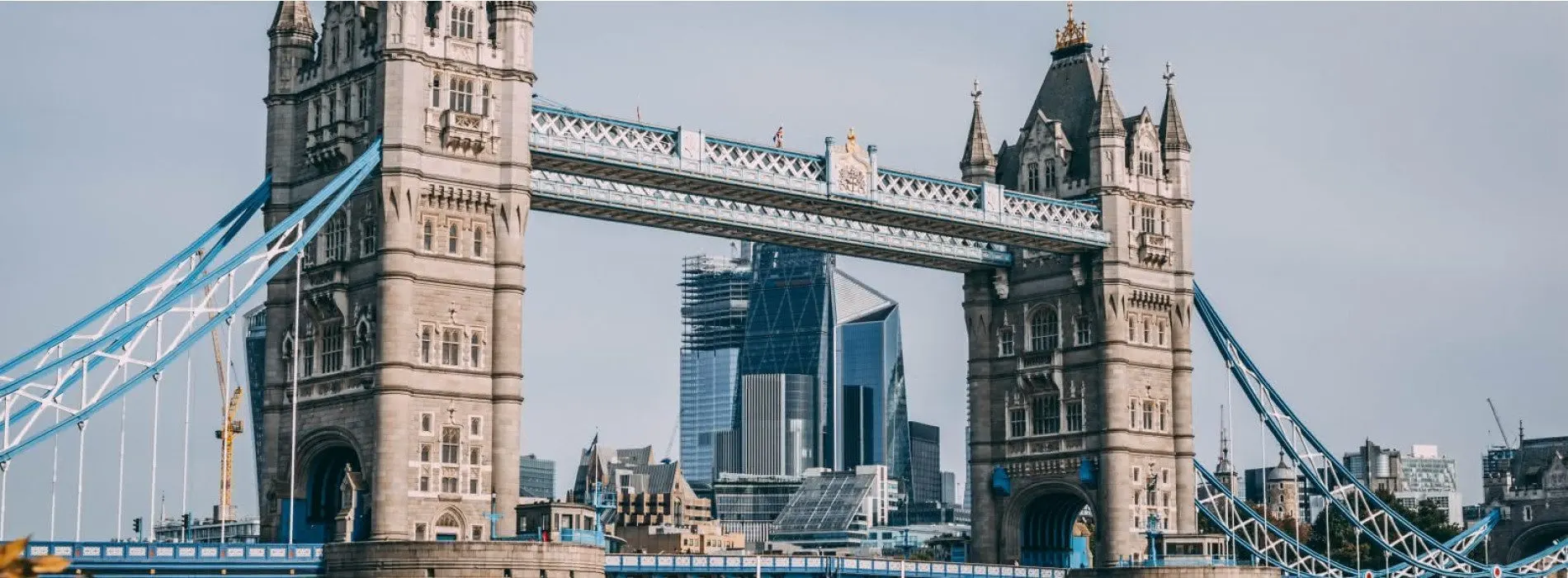 Tour of London1–2 days · city highlights
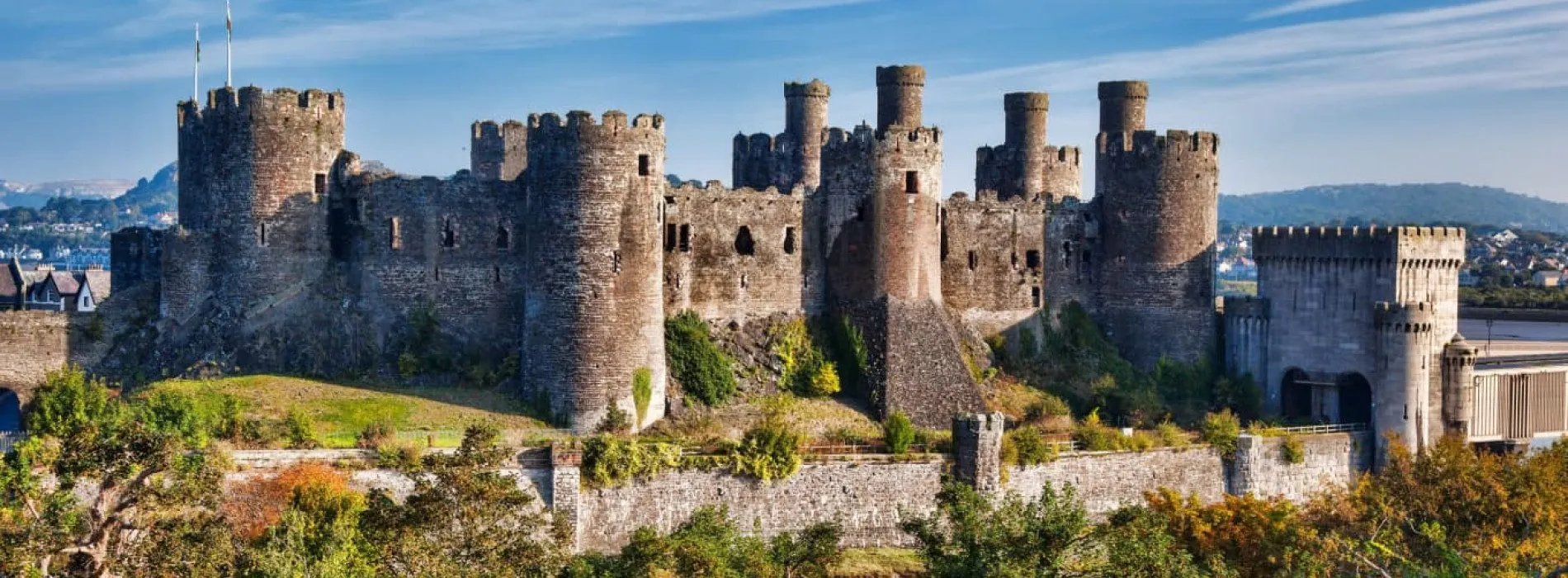 Tour of Wales3–4 days · castles & coast
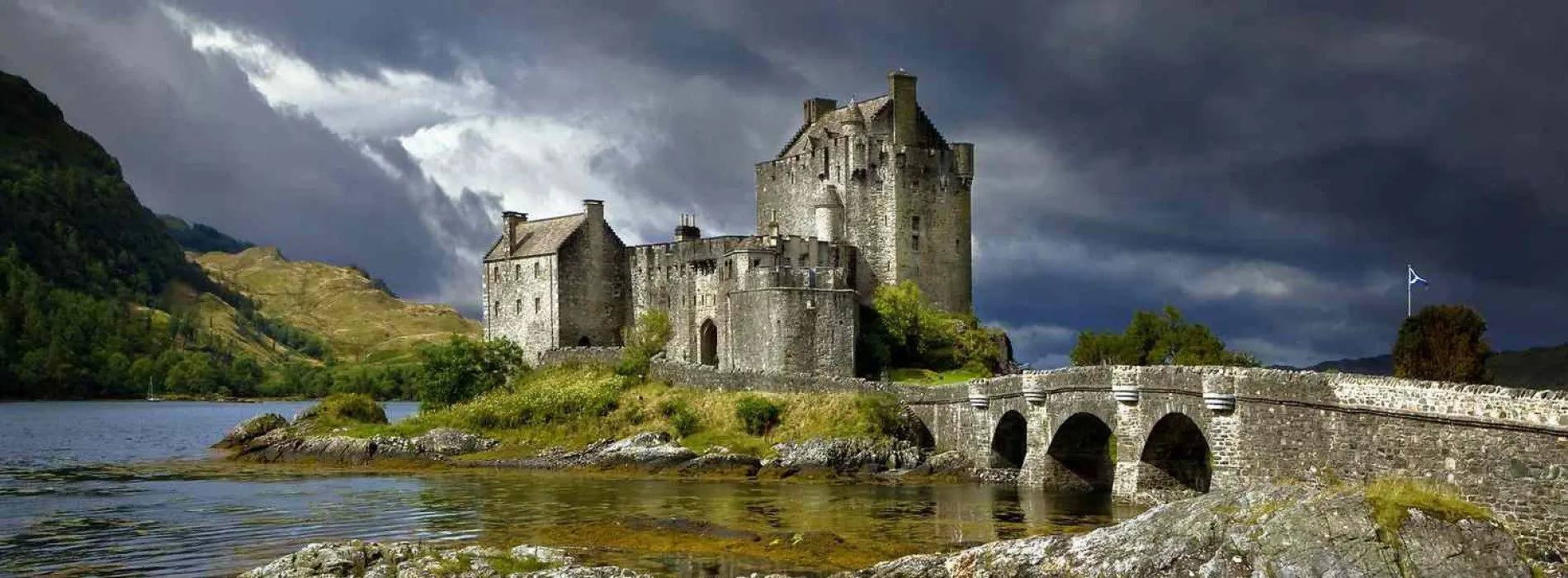 Tour of Scotland5–7 days · Highlands & Edinburgh
 Stone, Villa and Cyder3–4 nights · Wiltshire and Somerset
 Storks over the Weald3 nights · Sussex and the New Forest
 The Salt Coast4–5 nights · Devon and Cornwall
 Dales, Moors and Lakes5–6 nights · Rutland to Cumbria
 The Highland Grand Tour6–8 nights · Perthshire to Skye
 Castles and the Causeway4 nights · Ayrshire to County Antrim
Mountain passes and an Italianate village by the sea, skies so dark the Milky Way looks like weather, and puffins at your feet.
Pembrokeshire smells of thrift and sea spray. On the boat out to Skomer the puffins come in low over the water, absurdly bright, and land by their burrows almost at your feet.
Inland, at night, Eryri goes so dark that the Milky Way looks like weather.
Someone switches off the headlights. Nobody says anything for a long time.
About four hours
Into the hills of north Wales, to Palé Hall above the valley of the Dee.
House option Fairmont Windsor Park, about a quarter of an hour from Heathrow Terminal 5
Garden option Powis Castle, about half an hour more on the road
Tonight: Palé Hall, Llandderfel
About an hour
The Italianate village by the sea, then the mountain passes of Eryri, and a dark-sky evening with blankets and a flask.
Garden option Bodnant Garden, about fifty minutes more on the road
Tonight: Penmaenuchaf, Dolgellau
About three hours
Down the coast of Cardigan Bay to Grove of Narberth, whose house arranges foraging walks, vineyard visits and trips out to sea.
Tonight: Grove of Narberth
About forty-five minutes to Martin's Haven
A boat to the puffin colony on Skomer, from late spring to midsummer and weather permitting, then the Marine Spa at St Brides in the late afternoon.
Tonight: Grove of Narberth
About four and a half hours
Back to London with lunch on the way, or to Cardiff airport in about two hours.
Garden option The National Botanic Garden of Wales, a few minutes more on the road
Garden option Aberglasney, about twenty-five minutes more on the road
Drive times are approximate. The order of the days, and their number, are yours to change.
From London, by way of 7 stops and about 683 miles of road, with 4 gardens worth a detour and 1 house you may choose. Rest on a picture to see where you are.
 1 Palé Hall · Night 1
 2 Portmeirion · Day 2
 3 The passes of Eryri · Day 2, the dark sky
 4 Penmaenuchaf · Night 2
 5 Grove of Narberth · Nights 3 and 4
 6 Skomer boats · Day 4
 7 St Brides Spa · Day 4, the spa
 Powis Castle · Day 1, on the way to Bala
 Bodnant Garden · Day 2, on the way to Dolgellau
 The National Botanic Garden of Wales · Last day, on the way home
 Aberglasney · Last day, on the way home
 Fairmont Windsor Park · The first night, or the last
The gold line is the journey. The dotted dark lines lead to the houses you may choose. The dashed green lines are the detours to the gardens. Each one is yours to take or to leave.
A Victorian house in the hills of north Wales, where Queen Victoria herself once stayed.
A Victorian house above the Mawddach estuary, beneath Cadair Idris.


A country house with a fifteenth-century longhouse and cottages in its grounds.


The houses above are the ones this journey is built around. These are the ones we are just as glad to add: a first or a last night close to the airport, a pause on the long road home, or a different house altogether. Say the word, and the journey is redrawn around it.
About a quarter of an hour from Terminal 5, and a world away from it. The house stands in forty acres on the edge of Windsor Great Park, with the Savill Garden at its gate and the castle and Eton ten minutes down the road. Inside is one of the great spas of England: a twenty-metre pool, an open-air hydrotherapy pool, a marble hammam, a salt room and a cryotherapy chamber. Land, sleep off the flight and begin the journey rested, or end it here with a last swim before the plane.


Saundersfoot, Pembrokeshire. About twenty minutes from Narberth.
Warm salt water to the brim of the infinity edge, and beyond it the whole of Carmarthen Bay.
A heated outdoor infinity pool on the clifftop, a salt infusion room, a herbal rock sauna, and treatments with seaweed, salt, clay and marine muds.


Dinner in a Victorian dining room lit by the house's own hydro-electric turbine, as it was in 1890.


Pembrokeshire produce in a room of ferns and glass, on the third and fourth nights.


This journey passes within reach of gardens that deserve an afternoon of their own. None is in the plan unless you wish it: say which, and we add the detour, time the visit for the best of the light and the season, and book ahead wherever the garden asks.
A medieval castle of red stone above terraces cut into the rock at the end of the seventeenth century, among the finest of their age to survive in Britain. Lead shepherds and shepherdesses dance along the balustrades, an orangery and an aviary open off the terraces, and yews clipped for three hundred years swell into enormous green clouds. The views reach far into England.


Five generations of one family made Bodnant from 1874, on a hillside facing the mountains of Eryri. Italianate terraces with a lily pool step down from the house to the Dell, where a river runs beneath giant trees, and for two or three weeks in early summer the Laburnum Arch, planted in 1880, becomes a tunnel of falling gold.


A Regency estate in the hills of Carmarthenshire, reborn as a garden in 2000. Its heart is Norman Foster's Great Glasshouse, a single dome of glass laid into the hillside, where plants from the world's Mediterranean climates grow along a rocky ravine; around it lie a double walled garden, lakes, meadows and woods.


A garden lost in time and found again: abandoned for decades, rescued in the 1990s and opened in 1999. Its Elizabethan cloister garden, walled by arcades with a walk along the top, is unique in Britain; there is a yew tunnel, walled gardens full of flowers, and the Ninfarium, where the roofless rooms of the old house have been glazed over for orchids and palms. Ten minutes from the Botanic Garden.


